Understanding the Lower Zone in Graphology: What Your Handwriting Reveals
Graphology, the study of handwriting, goes far beyond neatness or style. Every stroke, curve, and extension on paper reflects deeper psychological and emotional patterns. One of the most significant areas in handwriting analysis is the Lower Zone.
The Lower Zone of handwriting represents physical energy, material needs, desires, instincts, sexuality, and basic survival drives. It is formed by the downward extensions of letters such as g, j, y, p, and q. How these strokes are written can reveal how a person approaches satisfaction, security, creativity, and emotional fulfillment.
Below is a detailed explanation of different Lower Zone formations and what they indicate.
Prominent Lower Zone Letters


A well-developed or prominent Lower Zone indicates a strong drive to fulfill goals and desires.
People with this handwriting:
- Are goal-oriented and highly motivated
- Have strong physical energy and stamina
- Desire comfort, luxury, and material satisfaction
- Keep their private life guarded and rarely disclose personal matters
- Possess healthy sexual awareness and expression
Such individuals are usually determined, practical, and focused on achieving tangible success in life.
Overly Prominent Lower Zone

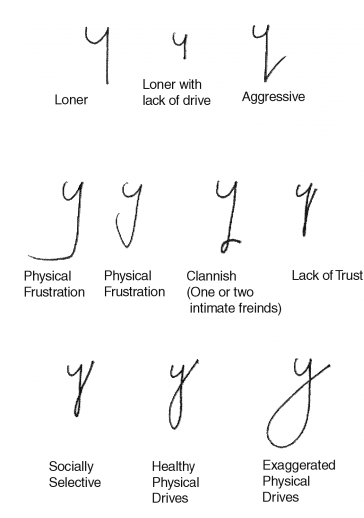
When the Lower Zone is excessively long or exaggerated, it can indicate imbalance.
This handwriting may suggest:
- Struggles related to financial stability or fulfillment of basic needs
- A tendency to overextend desires without adequate planning
- Impatience and dependency on external motivation
In some cases:
- Women may face challenges related to reproductive health
- Men may experience reduced sexual drive
On the positive side, these individuals often show high creativity, especially in artistic or imaginative fields, but they require discipline and guidance to channel their energy effectively.
Incomplete Lower Zone Formed Letters

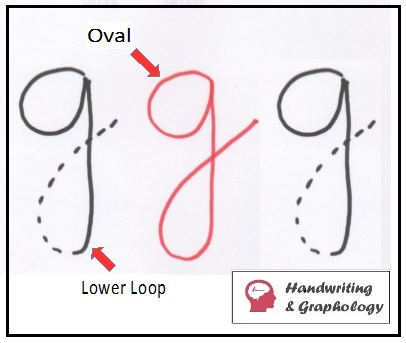
An incomplete or poorly formed Lower Zone reflects uncertainty and lack of direction.
Common traits include:
- Absence of long-term vision or planning
- Difficulty in executing goals
- Fear, hesitation, and internal insecurity
- Low physical drive and reduced sexual interest
Such individuals often feel uneasy and disconnected, struggling to find clarity or confidence in their personal and professional lives.
Backward Formed Lower Zone

A backward or retraced Lower Zone is strongly linked to emotional history.
This formation indicates:
- Painful or traumatic experiences from the past
- Emotional baggage that restricts personal growth
- Trust issues, especially in relationships
- Difficulty moving forward due to lingering memories
These writers often live mentally in the past, which affects their present decisions and emotional openness.
Long Lower Zone Lines
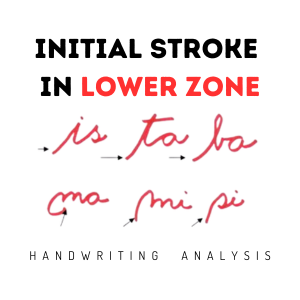
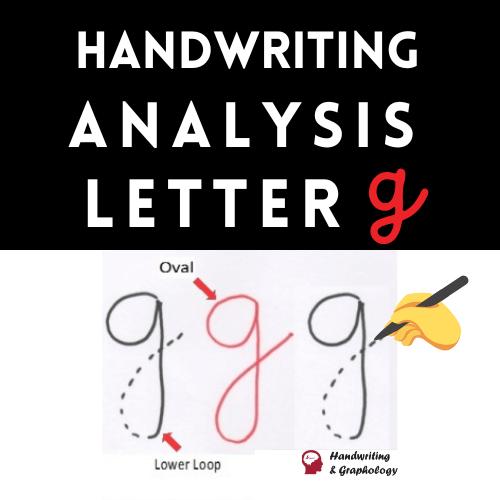
Long and stretched lower strokes reflect restlessness and sensitivity.
Such people:
- Are highly impatient and desire quick results
- Panic when progress is slow
- Feel overshadowed or underestimated by others
- Are emotionally sensitive and easily affected by criticism or jokes
They need reassurance, emotional stability, and a supportive environment to perform at their best.
Note:
People with short or small Lower Zone lines display the complete opposite nature — they are patient, controlled, emotionally reserved, and less driven by material desires.
Final Thoughts
The Lower Zone plays a crucial role in understanding how a person relates to desire, energy, ambition, and emotional security. A balanced Lower Zone reflects harmony between needs and control, while extremes point toward internal conflicts or suppressed emotions.
Handwriting analysis should always be viewed holistically. A single trait never defines a person entirely, but when combined with other zones and writing features, it provides deep insight into personality and life patterns.
Understanding these subtle signs can help individuals become more self-aware and make conscious improvements in their personal and professional lives.