Middle Zone Analysis in Handwriting: An In-Depth Guide
Handwriting analysis, also known as graphology, is the study of strokes, curves, and writing patterns to understand a person’s personality traits, emotional tendencies, and behavioral characteristics. Among the three major handwriting zones Upper Zone, Middle Zone, and Lower Zone the Middle Zone holds special importance as it reflects a person’s day-to-day behavior, emotional responses, and social interaction.
This article presents a detailed explanation of the Middle Zone in handwriting and the major patterns observed within it.
What Is the Middle Zone in Handwriting?
The Middle Zone refers to the central portion of handwriting where most lowercase letters are formed, such as a, e, o, n, m, d, g, and s. In handwriting, the strokes and curves of letters are generally more prominent in the Middle Zone compared to the Upper or Lower Zones.
Example:
When writing the lowercase letter d, the rounded portion belongs to the Middle Zone and is usually more prominent than the upward or downward strokes.
The Middle Zone represents:
- Emotional balance
- Daily behavior patterns
- Social adaptability
- Self-confidence and maturity
Types of Middle Zone Handwriting and Their Meanings
1. Prominent Middle Zone

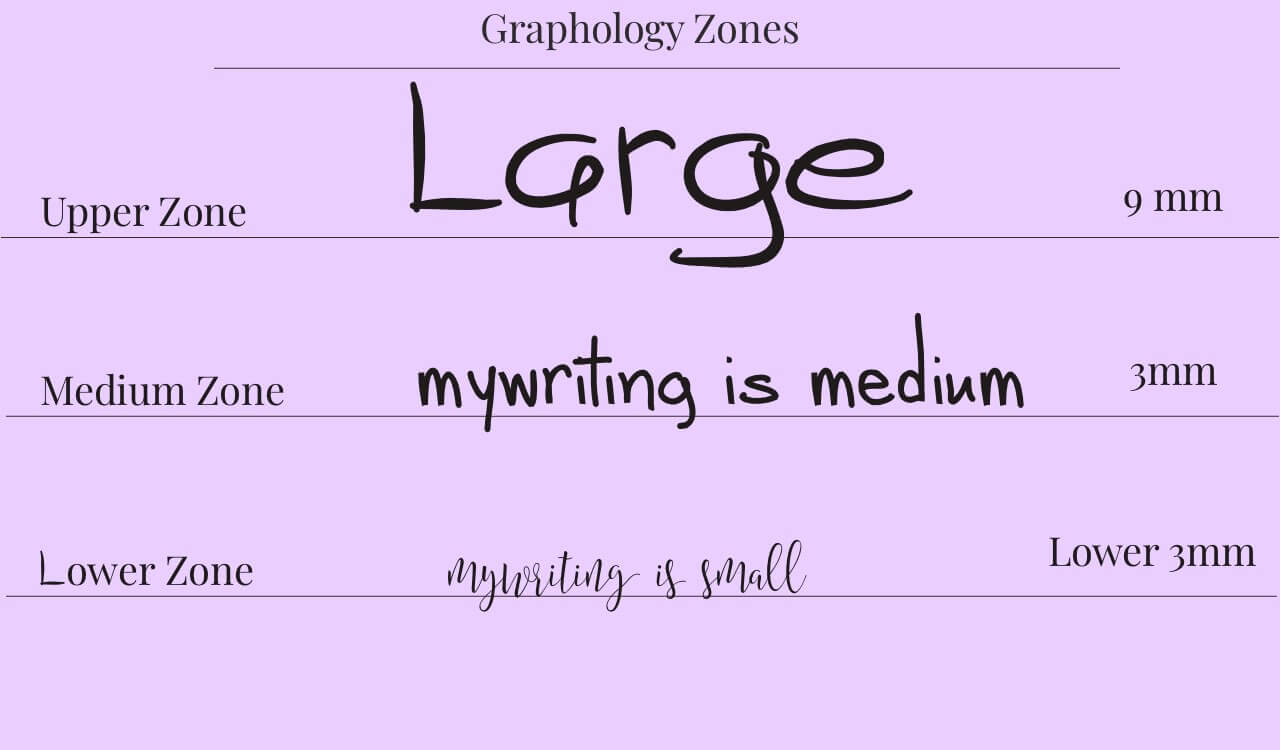
Characteristics:
- Letters remain confined within a single writing line
- Rounded parts of letters such as d or g are clearly visible
- Upper and lower strokes are short and less dominant
Personality Interpretation:
People with a prominent Middle Zone tend to be highly ambitious and goal-oriented. They possess clarity of thought, strong ideas, and a clear vision for achieving objectives. Such individuals are confident in nature and often show interest in social responsibilities like charity, donation, or community work. They generally maintain emotional balance and practicality in daily life.
2. Overly Prominent Middle Zone

Characteristics:
- Rounded portions of letters are significantly larger than normal
- Strokes do not extend above or below the writing line
Personality Interpretation:
This handwriting pattern indicates excessive self-focus. Individuals with an overly prominent Middle Zone often lack teamwork skills and prefer working alone. They may be argumentative over minor issues and display emotional immaturity. Their thinking is usually restricted to personal benefit rather than collective progress.
3. Small and Big Letter Combination in Middle Zone

Characteristics:
- A combination of small and large letters within the same line
- Inconsistent size of middle-zone letters
Personality Interpretation:
This pattern reflects frequent emotional fluctuations. Such individuals experience rapid mood changes and may shift quickly from happiness to anger or sadness. They often find it difficult to maintain stable relationships and are perceived as hard to understand or adjust with due to their unpredictable emotional responses.
4. Irregular Strokes in the Middle Zone

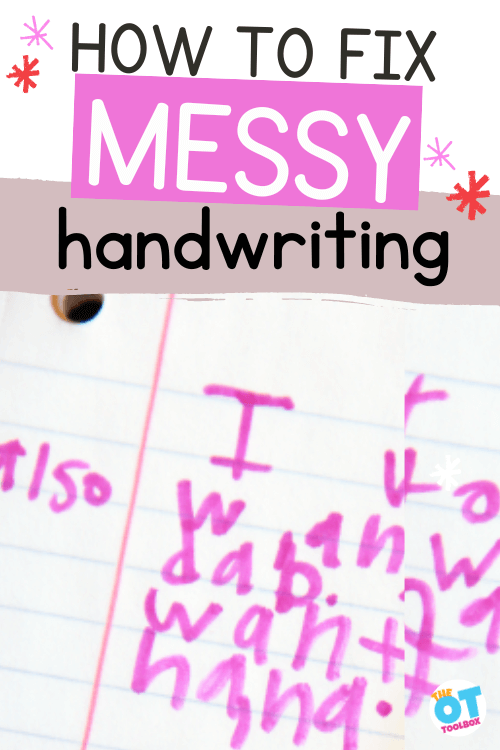
Characteristics:
- Uneven, shaky, or distorted strokes
- Irregular formation of letters such as e, s, and y
Personality Interpretation:
Irregular strokes in the Middle Zone indicate inner fear, anxiety, and mental stress. Such individuals often lack peace of mind and feel pressured even while handling simple or routine tasks. Continuous worry and overthinking tend to dominate their mental state.
5. Overlapping Strokes in the Middle Zone
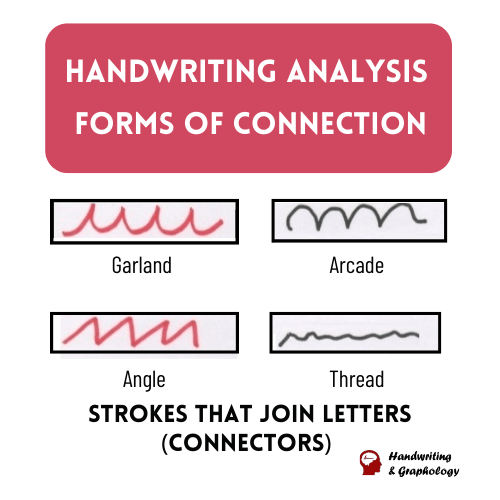

Characteristics:
- Letters and words are written very close to each other
- Overlapping strokes with little or no spacing
Personality Interpretation:
This handwriting pattern suggests poor organizational and management skills. Individuals with overlapping strokes often leave tasks unfinished or poorly executed. They struggle with responsibility management and may fail to meet deadlines or long-term goals. Such behavior can also reflect issues related to reliability and trust.
Conclusion
The Middle Zone of handwriting provides deep insight into a person’s emotional world, daily behavior, and interpersonal relationships. While handwriting analysis should never rely on a single feature alone, consistent Middle Zone patterns can reveal significant personality tendencies when evaluated carefully.
When combined with other handwriting indicators, Middle Zone analysis becomes a valuable tool for understanding human behavior and emotional balance.